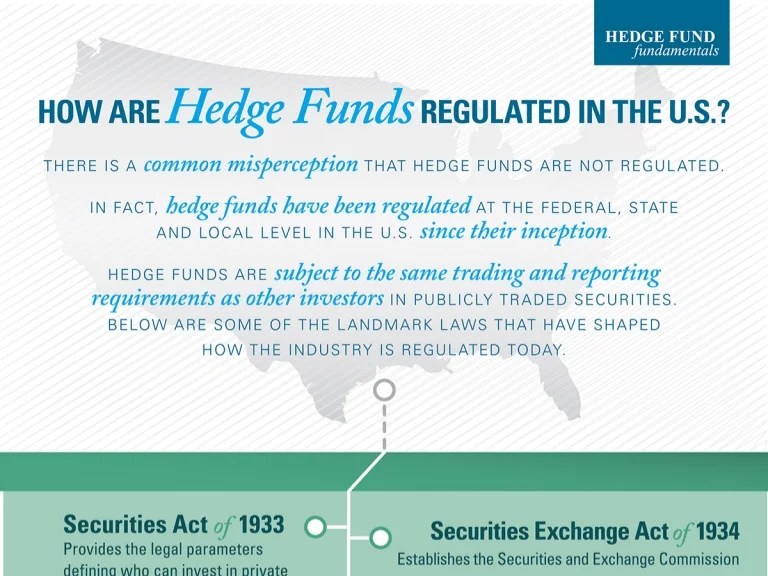
Beginning with Hedge Fund Regulation and Legal Considerations, the narrative unfolds in a compelling and distinctive manner, drawing readers into a story that promises to be both engaging and uniquely memorable.
In the intricate world of hedge funds, navigating regulatory compliance and legal considerations is crucial for both fund managers and investors alike. Understanding the key regulations and legal nuances can make or break the success of a hedge fund.
Hedge Fund Regulation and Legal Considerations
Regulatory compliance is crucial in the hedge fund industry to ensure transparency, integrity, and protection of investors’ interests. Failure to adhere to regulations can result in severe penalties, reputational damage, and legal consequences.
Key Regulations for Hedge Funds
- The Securities Exchange Commission (SEC) regulations require hedge funds to register as investment advisors if they manage assets above a certain threshold.
- The Dodd-Frank Wall Street Reform and Consumer Protection Act imposes reporting requirements on hedge funds to monitor systemic risk in the financial markets.
- The Commodity Futures Trading Commission (CFTC) regulates hedge funds that engage in commodity futures and options trading.
- Anti-money laundering (AML) regulations mandate hedge funds to implement measures to prevent money laundering and terrorist financing.
Legal Considerations in Hedge Fund Structuring
- Choosing the appropriate legal structure, such as a limited partnership or limited liability company, impacts the fund’s governance, tax treatment, and liability distribution.
- Drafting robust legal documents, including the offering memorandum and subscription agreements, is essential to define the rights and obligations of investors and the fund manager.
- Complying with securities laws and regulations when marketing the fund to potential investors to avoid violations and legal disputes.
- Establishing clear compliance policies and procedures to ensure adherence to regulatory requirements and mitigate legal risks.
Compliance Requirements
To ensure the smooth operation of hedge funds and protect investors, compliance with regulatory requirements is essential. Let’s delve into some key aspects of compliance requirements for hedge funds.
Regulatory Bodies overseeing Hedge Fund Activities
- The Securities and Exchange Commission (SEC): The primary regulatory body overseeing hedge funds in the United States, responsible for enforcing regulations and ensuring transparency.
- Financial Conduct Authority (FCA): Regulates hedge funds in the UK, focused on maintaining market integrity and investor protection.
- Commodity Futures Trading Commission (CFTC): Regulates hedge funds involved in commodity trading in the US, ensuring compliance with regulations.
Reporting and Disclosure Requirements for Hedge Funds
- Hedge funds are required to file Form ADV with the SEC, providing detailed information about the fund’s operations, investment strategies, and key personnel.
- Regular reporting of performance metrics, risk exposures, and conflicts of interest to investors is mandatory to ensure transparency and accountability.
- Disclosure of fees, expenses, and potential risks associated with investments is crucial to protect investors and maintain trust in the fund.
Consequences of Non-Compliance with Regulations
- Penalties and fines may be imposed on hedge funds and their managers for non-compliance with regulatory requirements, affecting their reputation and credibility.
- Lack of compliance could lead to legal actions, investigations, and even the suspension or revocation of the fund’s operating license.
- Investors may lose confidence in the fund, resulting in redemptions and potential legal disputes, impacting the fund’s performance and stability.
Investor Protection
Investor protection is a crucial aspect of hedge fund regulation, aimed at safeguarding the interests of investors and ensuring transparency and accountability within the industry.
Role of Due Diligence
Due diligence plays a vital role in protecting investors in hedge funds by allowing them to thoroughly assess and evaluate the fund’s strategies, risks, and performance. This process helps investors make informed decisions and minimizes the chances of fraudulent activities or mismanagement.
Comparison to Other Investment Vehicles
Investor rights in hedge funds differ from traditional investment vehicles like mutual funds or ETFs. Hedge funds often have more flexibility in investment strategies and fewer regulatory requirements, which can lead to higher risks but potentially higher returns. However, this also means that investors in hedge funds may have limited protections compared to those in more regulated investment options.
Transparency and Disclosure
Transparency and disclosure play a crucial role in the operations of hedge funds. By providing detailed information to investors, hedge funds can build trust and credibility, which are essential for long-term success in the financial industry.
Disclosure Requirements for Hedge Funds
- Hedge funds are required to provide disclosures regarding their investment strategies, risk management practices, fee structures, and historical performance.
- Regulations such as the Securities and Exchange Commission (SEC) rules aim to ensure that investors have access to relevant information to make informed decisions.
- Transparency can also include reporting on conflicts of interest, valuation methodologies, and any material changes that may impact investors.
Importance of Transparency in Maintaining Investor Trust
- Transparency fosters trust between hedge funds and investors by demonstrating a commitment to openness and honesty in financial dealings.
- Investors are more likely to allocate capital to funds that are transparent about their operations and performance, as it reduces uncertainty and enhances credibility.
- Clear and comprehensive disclosure can help prevent misunderstandings and potential disputes, leading to stronger investor relationships.
Impact of Increased Transparency on Hedge Fund Performance
- While some may argue that increased transparency can expose a fund’s strategies to competitors, studies have shown that overall, transparency can lead to improved performance.
- Investors tend to favor funds that are transparent, leading to increased capital inflows and potentially better access to opportunities.
- Enhanced transparency can also contribute to better risk management practices and greater accountability, ultimately benefiting the fund’s performance in the long run.
Risk Management and Compliance Programs

Effective risk management and compliance programs are crucial for hedge funds to operate successfully within regulatory frameworks and to protect investors. These programs help mitigate potential risks and ensure adherence to legal requirements, enhancing the overall integrity of the fund.
Best Practices for Risk Management in Hedge Funds
- Establishing clear risk management policies and procedures tailored to the fund’s specific strategies and objectives.
- Regularly assessing and identifying potential risks, including market, credit, liquidity, and operational risks.
- Implementing robust risk monitoring and reporting systems to track exposures and deviations from set limits.
- Diversifying investments to spread risk across different asset classes and markets.
- Engaging in stress testing and scenario analysis to evaluate the fund’s resilience to adverse market conditions.
Components of Effective Compliance Programs for Hedge Funds
- Developing a comprehensive compliance manual outlining regulatory requirements, internal policies, and procedures.
- Appointing a dedicated compliance officer responsible for overseeing and enforcing compliance efforts.
- Conducting regular compliance training for employees to ensure awareness of regulatory obligations and best practices.
- Performing periodic compliance reviews and audits to assess the effectiveness of the program and identify areas for improvement.
- Maintaining open communication channels with regulatory authorities to stay informed of changes in laws and regulations.
Role of Compliance Officers in Ensuring Regulatory Adherence
Compliance officers play a critical role in ensuring hedge funds operate within legal boundaries by monitoring activities, implementing policies, and providing guidance to employees. They act as the first line of defense against regulatory violations, working closely with senior management to address compliance issues and maintain a culture of integrity within the organization.
Hedge Funds
Hedge funds are investment funds that pool capital from accredited investors or institutional investors and use various strategies to generate high returns. They are typically open to a limited number of investors and require a high minimum investment.
Definition and Characteristics
Hedge funds are managed aggressively to achieve high returns and often use leverage to amplify gains. They have the flexibility to invest in a wide range of assets, including stocks, bonds, commodities, and derivatives. Hedge funds are known for their performance-based fee structure, where managers receive a percentage of profits in addition to a management fee.
Strategies Employed by Hedge Funds
- Long/Short Equity: This strategy involves buying undervalued securities (long positions) and selling overvalued securities (short positions) simultaneously to profit from market inefficiencies.
- Global Macro: Hedge funds using this strategy make bets on macroeconomic trends by taking positions in currencies, interest rates, and commodities based on their assessment of global economic conditions.
- Event-Driven: These funds capitalize on corporate events such as mergers, acquisitions, bankruptcies, or restructurings to generate returns.
Benefits and Risks of Investing in Hedge Funds
Investing in hedge funds can offer diversification, potential high returns, and access to sophisticated strategies not typically available to individual investors. However, they also come with high fees, limited liquidity, and the potential for significant losses due to leverage and aggressive investment strategies.
In conclusion, Hedge Fund Regulation and Legal Considerations play a pivotal role in shaping the landscape of the hedge fund industry. By adhering to regulatory requirements and staying informed about legal considerations, stakeholders can ensure transparency, investor protection, and overall success in this dynamic market.
Expert Answers
What are the consequences of non-compliance with regulations?
Non-compliance with regulations can lead to hefty fines, legal actions, damage to reputation, and even the shutdown of a hedge fund.
How do regulations protect investors in hedge funds?
Regulations ensure that hedge fund managers act in the best interests of investors, provide transparency, and adhere to ethical practices.
What are the best practices for risk management in hedge funds?
Best practices include diversifying investments, conducting thorough research, and implementing robust risk assessment strategies.


